
Published December 17, 2018
Key Components to a Roof and How to Protect It
A trustworthy roof is vital to have for any home. What are the key components to a roof and how do you keep it in good condition?
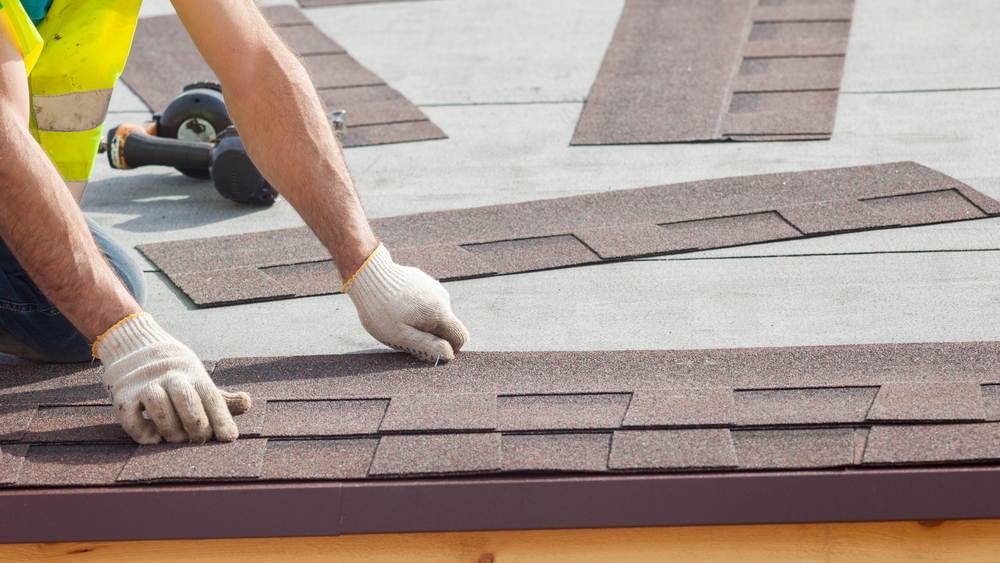
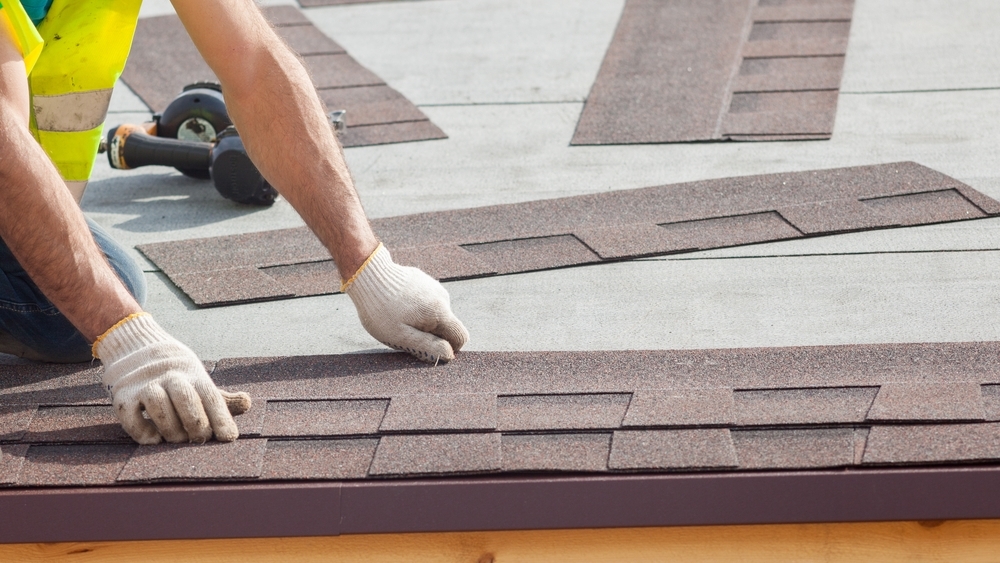
Layer upon layer. From the ground, only the outermost layer of the roof is visible. That outer layer, made of shingles, tile or metal, is merely the tough exterior that protects from the weather. A whole structure lies beneath. The shingles rest on a decking such as plywood, with a moisture barrier of heavy felt in between.
Beneath the decking, inside the attic, may be a radiant barrier, either built in or added later. Placed flush on the underside of the decking, it provides an insulating shield to prevent heat transference through the roof.
Roof Coverings. The most common roof covering are asphalt shingles. They are relatively inexpensive and last 20 years or more. Wood shingles are a little more expensive, but are more susceptible to fire. Tile roofs are quite a bit more expensive, beautiful and can last 50 years. Slate roofs are also gorgeous and can last 80 or more years. Finally, metal roofs can last 50 years, but can be noisy in heavy rain and hail storms.
Structure of Support. The roof decking is nailed to the rafters, the frame that rises upward to give the roof its pitch. The rafters rest along the perimeter of the house on the top of the outside walls, and ceiling joists form the floor of the attic. Stuffed or blown into the joists is insulation to protect the living areas below from temperature extremes above.
Where two roof lines converge into a low trough is called a valley, and where they converge to form a peak is called a hip. The topmost peak is called the ridge line. In valleys and anywhere there are vents, skylights or chimneys, sheet metal fringing called flashing is used to protect from water penetration.
The area of overhang from the roof is called the eaves, with the horizontal bottom called a soffit and the vertical trim board being the fascia.
Care for your roof. Annual roof inspections can keep problems from developing. Each spring when snows are gone, hire a roofer to check things out. There are a few things you can check yourself. Use a ladder for a closer look at the roof, and look for loose shingles and for flashing pulling away from dormers, chimneys, sky lights or vents. From your ladder, using an extension pole with a rake attachment, pull down any branches, leaves or other litter trapped in valleys.
Keep tree limbs trimmed from overhanging the roof. In a strong windstorm, overhanging limbs could break off and damage the roof. Trimming tree branches will also keep squirrels and other creatures from using a limb to jump onto the roof, and then gnawing their way into the attic.
Gutters and downspouts packed with leaves overflow during rain and cause the fascia boards to eventually rot. Overflowing gutters may also cause water to seep under the shingles to the moisture barrier and decking, leading to decay. If you have tall trees near the house, regular gutter cleaning is essential. Installing gutter guards can help keep them clear.
Finally, inspect your roof after hail storms. Hail larger than a quarter can cause shingles to crack, which
may cause leaking. If you have an asphalt
shingle roof, look in the gutters for accumulations from the shingle granules
being washed off.
What is your home worth? Learn the market value of your home. Click Here.
Get In Touch
or another way